Rain & Humidity
Dressing and Getting Around in Rainy or Monsoon Weather
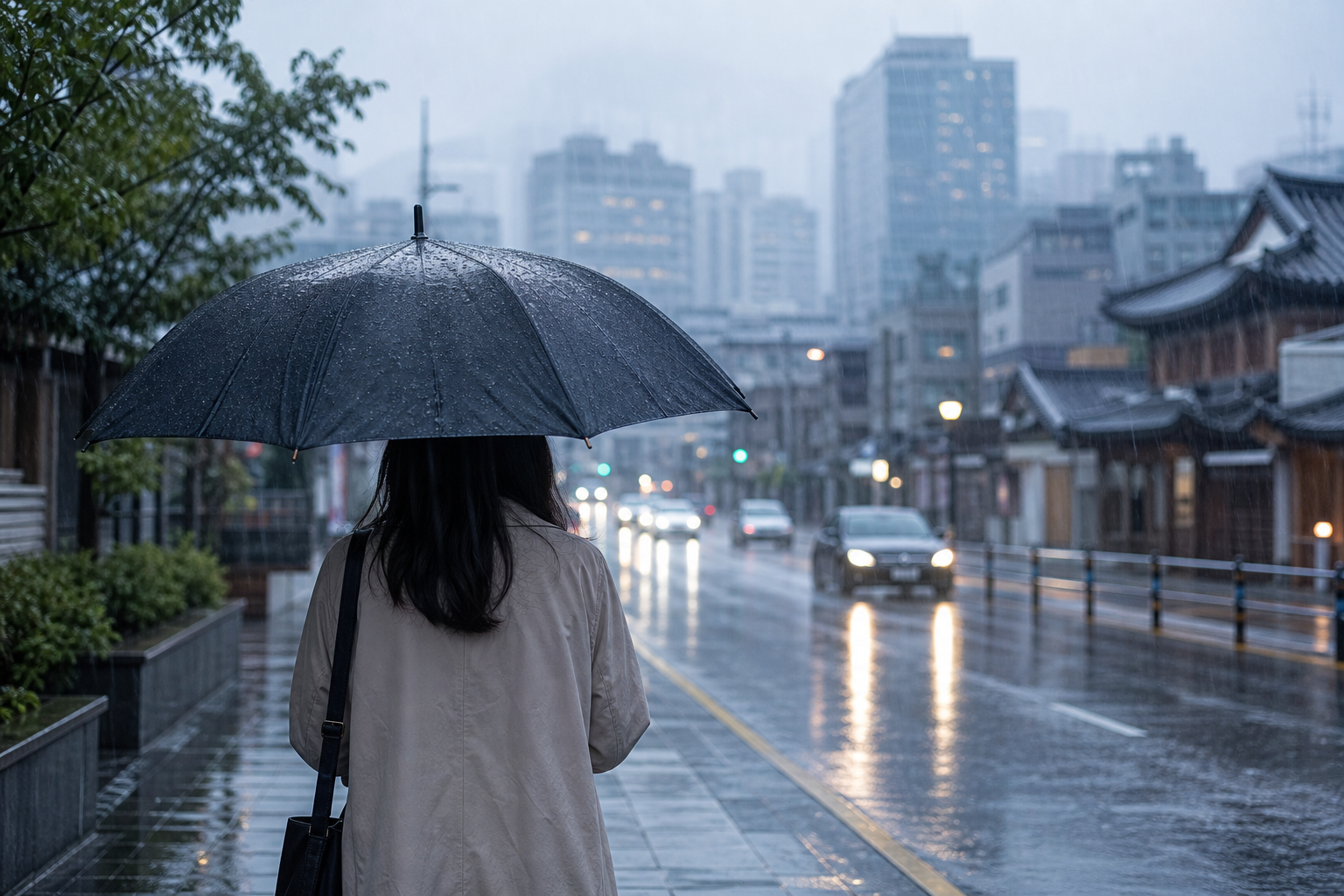
On rainy days, getting wet, humidity, and wind matter more than the temperature itself. Grabbing an umbrella and calling it done only gets you so far — thinking through clothing, footwear, your bag, and ventilation makes the whole day easier. Here are practical tips for getting through a long stretch of rain, like monsoon season. During the monsoon, days of continuous rain can affect more than just your commute — laundry won't dry, musty smells creep in — so it's worth paying attention to your home as much as your outfit. This guide covers everyday habits; if you're in an area at risk of flooding or landslides, follow your local government's emergency guidance first.
Updated: August 4, 2026
Reference data · WeatherAPI / editorial lifestyle guide
What to check in the forecast before it starts
Don't stop at the chance of rain — check the expected start time, intensity, and wind as well. A brief shower and an all-day monsoon rain call for different preparation. On windy days, umbrellas tend to flip inside out, so a rain jacket or poncho can be the more reliable choice. It also helps to check hourly rainfall amounts — on days with heavy hourly rain, even a short walk can soak through shoes and pants, so it's worth considering boots or waterproof shoes. If thunder or lightning is in the forecast, avoid open areas or high ground and shift plans indoors instead.
- Compare the rain's start and end times against your commute or school schedule
- If wind is in the forecast, consider a hood or rain jacket over an umbrella
- For an all-day rain, pack a spare pair of socks and a handkerchief
- Scale back or move outdoor plans indoors if lightning or strong gusts are expected
- Consider boots or waterproof shoes on days with heavy hourly rainfall
- Avoid open areas or high ground if thunder and lightning are forecast
Clothing and footwear
Cotton gets heavy when wet and pulls heat away from your body quickly. A light, water-resistant or waterproof jacket works well on top, and pants made from a less water-sensitive fabric, at an appropriate length, are more comfortable underneath. For shoes, slip resistance and waterproofing are what matter most — sandals or white sneakers are a hassle to maintain through monsoon season. Wet underwear or socks stay uncomfortable for a long time, so a quick-drying, functional fabric keeps you comfortable through the day. If you have to sit around in wet shoes for a long stretch, like at work or school, packing a spare pair of socks or indoor shoes to change into once you arrive is a good move.
- Choose a water-resistant jacket and fabrics that don't get heavy when wet
- Adjust pant length so hems don't drag on wet ground
- Wear shoes with slip-resistant soles, or waterproof shoes if you have them
- Use a zippered or waterproof-covered bag and keep electronics tucked inside
- Choose quick-drying, functional fabric for underwear and socks
- Pack spare socks or indoor shoes to change into once you arrive
Getting the most out of your umbrella or raincoat
A good umbrella needs a length that doesn't block your view and a structure that can handle wind. To avoid getting one shoulder soaked, angle the umbrella against the wind direction as you walk. At transit stops or store entrances, shake off excess water so you don't splash people nearby, and slip a closed, wet umbrella into a cover or bag to protect your belongings. Automatic umbrellas tend to flip inside out more easily in strong wind, so a sturdier frame is worth the trade-off, and riding a bike or scooter while holding an umbrella is risky since it blocks your view and one hand — it's best avoided. For long stretches outdoors, a poncho or waterproof jacket that frees up both hands is often more practical than an umbrella.
- In strong wind, favor a hooded rain jacket over a long umbrella
- Be mindful not to bump people with your umbrella tip or drip on them
- Shake off the umbrella thoroughly before getting into a car or building
- Consider a clear umbrella for kids so their view isn't blocked
- Avoid riding a bike or scooter while holding an umbrella, for visibility and safety
- For long outdoor stretches, a poncho or waterproof jacket frees up both hands
Health and hygiene during monsoon season
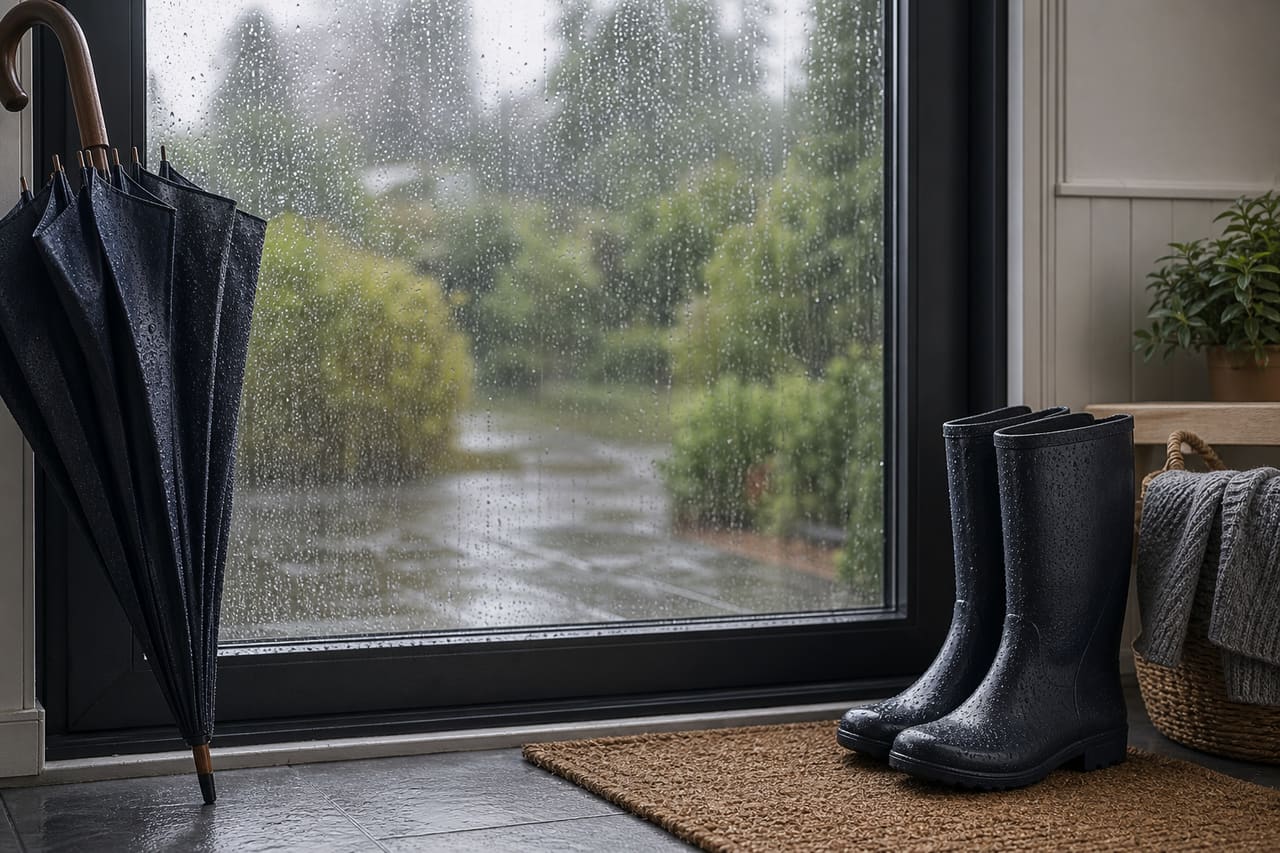
High humidity keeps sweat from drying and makes skin and feet prone to chafing or irritation. Dry out wet clothes and shoes as soon as you get home, and ventilate briefly even if it's still raining to cut down on that stuffy feeling. Long rainy stretches also tend to reduce activity and build up fatigue, so a bit of indoor stretching or light movement helps keep your body loose. Putting shoes back on before the inside is fully dry can lead to athlete's foot or bacterial growth, so rotating between a couple of pairs and letting each dry thoroughly is worthwhile. Food poisoning risk also rises during monsoon season, so it's worth being a bit more careful than usual with food storage and cooking hygiene.
- Change out of wet socks and shoes right away and let them dry
- Manage indoor humidity with A/C, a dehumidifier, or brief ventilation
- Watch for slippery, dirty puddles on the road
- Avoid staying in wet clothing for long — keep your body temperature up
- Rotate between a couple of pairs of shoes so each has time to fully dry
- Pay extra attention to food storage and cooking hygiene during monsoon season
Rainy-day checklist
Rather than assuming "an umbrella is enough," packing a few extras based on how you're getting around and how long your day is cuts down on surprises. Check rain and wind info on your weather app, use the clothing recommendation as a starting point, and add one more layer of preparation to fit your own schedule. If a stretch of rainy days looks likely, like during monsoon season, it helps to check your bag and shoes the night before so you're not scrambling in the morning. If there's a chance an outdoor plan might get cancelled or postponed, having a backup plan ready in advance makes the day much easier to handle.
- Umbrella or raincoat, a handkerchief, spare socks
- A zippered bag or waterproofing for your phone
- Slip-resistant shoes and some buffer time for travel
- Scale back outdoor plans or line up an indoor alternative based on rain intensity
- Check your bag and shoes the night before if rain looks likely to continue for days
- Have a backup plan ready in case an outdoor event gets cancelled or postponed
Managing indoor humidity and mold
During monsoon season, rising indoor humidity makes wallpaper, closets, and shoe cabinets prone to mold. Running a dehumidifier or your air conditioner's dehumidify mode helps lower indoor humidity, and a moisture absorber in your closet or shoe cabinet cuts down on that damp feeling. When laundry won't dry, combining an indoor drying rack with a dehumidifier or fan speeds up drying time and helps reduce odor. If mold has already appeared somewhere, ventilate the area and treat it with a proper cleaning product, and for serious cases it's worth considering a professional cleaning service.
- Lower indoor humidity using a dehumidifier or your air conditioner's dehumidify mode
- Use moisture absorbers in closets and shoe cabinets to cut down on dampness
- Combine an indoor drying rack with a dehumidifier or fan to dry laundry faster
About this guide
This guide summarizes common weather and lifestyle practices for everyday reference. It does not replace official medical or emergency guidance — follow meteorological agencies and local authorities when a warning is in effect.