Guides
Practical tips for everyday weather
Quick guides for temperature, rain, day/night swings, wind, air quality, UV, and outdoor plans. Open any article to read more.

Temperature Guide
Dressing for the Temperature
The same number on a thermometer can feel completely different depending on humidity, wind, and how much the temperature swings over the course of a day. Rather than reacting to a single number, it helps to check the "feels-like" temperature and the day's full range together — that alone makes it much easier to plan an outfit or an outing with confidence. Below is a breakdown of what tends to go wrong at each temperature band, plus habits worth building before you head out. This matters most during seasonal transitions or on days with a long schedule, when the outfit you picked in the morning may not hold up until evening, so it helps to leave room to adjust partway through the day. This page is meant as everyday, lifestyle guidance rather than medical advice — if you have a health condition that makes you especially sensitive to temperature, it's worth pairing these tips with advice from a professional.
Read more →

Extreme Weather
Coping with Heatwaves and Cold Waves
When a heatwave or cold wave warning is issued, the risks are higher than they seem. Thinking "I can just push through it" is exactly the mindset that gets people into trouble — it helps to know the warning signs in advance and have a plan ready for what to do outdoors and at home. If you suspect an emergency, don't hesitate to get help. Heatwaves and cold waves come around every year, but a moment of carelessness can have a serious impact on your health, so it pays to start preparing before the warning is even issued. This guide is not a medical emergency manual but a set of everyday precautions — if symptoms are severe or persist, be sure to see a doctor.
Read more →

Air Quality
Managing Air Quality and Fine Dust
When air quality is poor, your airways and eyes are the first to feel it. Even "it's just a quick errand" trips add up over the day. Here's a set of practical habits covering whether to go out at all, mask use, ventilation, and what to do once you get home. During spring dust storms or winter stagnant-air periods especially, unhealthy conditions can stretch on for several days in a row, so it's worth looking at the week's trend rather than judging day by day. The tips below are general lifestyle habits — if you have a respiratory or cardiovascular condition, it's a good idea to talk to your doctor about setting your own personal thresholds.
Read more →

Sun Care
A Practical Guide to UV Protection
UV rays are present not just on clear days but on cloudy ones too. Everyday exposure — a short commute, a lunchtime walk — adds up on your skin and eyes over time. Here's a rundown of the basics, how to combine clothing with sunscreen, and the spots people tend to forget. UV intensity varies a lot by season and time of day, and in places with strong reflection — around midday in summer, at high altitude, near snow, or by the water — even a short time outside can mean significant exposure. This guide covers everyday UV habits; if you have a severe burn or a skin condition, it's safer to see a dermatologist rather than trying to manage it yourself.
Read more →
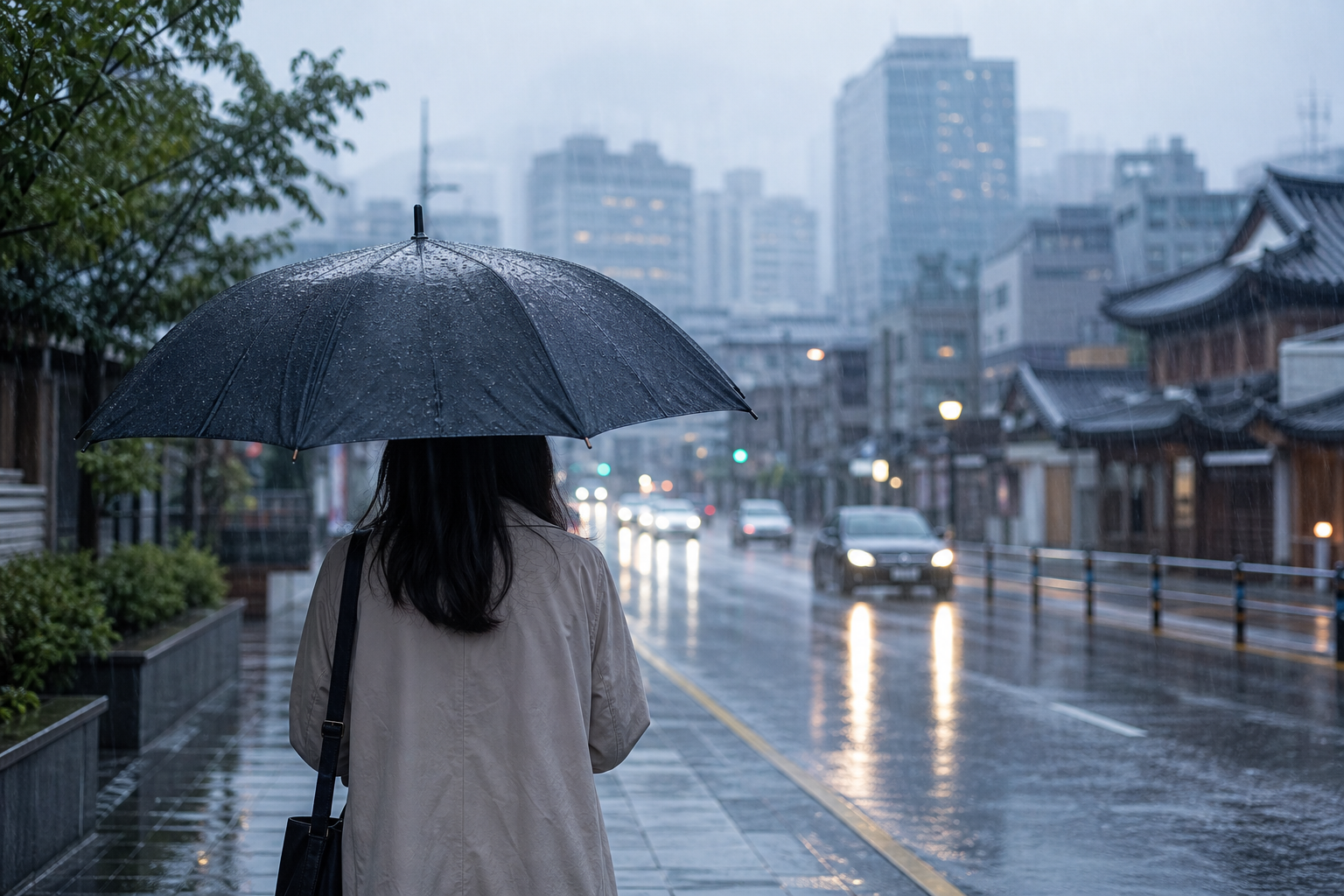
Rain & Humidity
Dressing and Getting Around in Rainy or Monsoon Weather
On rainy days, getting wet, humidity, and wind matter more than the temperature itself. Grabbing an umbrella and calling it done only gets you so far — thinking through clothing, footwear, your bag, and ventilation makes the whole day easier. Here are practical tips for getting through a long stretch of rain, like monsoon season. During the monsoon, days of continuous rain can affect more than just your commute — laundry won't dry, musty smells creep in — so it's worth paying attention to your home as much as your outfit. This guide covers everyday habits; if you're in an area at risk of flooding or landslides, follow your local government's emergency guidance first.
Read more →

Diurnal Range
Handling Big Day-to-Night Temperature Swings
During seasonal transitions, the gap between daytime highs and nighttime lows can be large enough that an outfit chosen in the morning ends up too hot at midday or too cold by evening. This is also when colds, allergies, and fatigue tend to creep up, so here's how to combine layering with a few daily-rhythm habits to get through it more comfortably. Big day-to-night swings aren't limited to spring and fall — they can show up during any seasonal changeover, and tend to be widest on clear, dry days in particular. This guide covers everyday habits; if a cold or allergy symptom drags on, it's worth seeing a doctor rather than relying on self-care alone.
Read more →

Wind & Feels-Like
A Guide to Wind and Feels-Like Temperature
Sometimes the forecast temperature is the same as usual, but it feels unusually cold or hot. Wind strips heat away from your body, while humidity and sunlight can amplify or soften how a temperature actually feels. Here's how to use feels-like temperature and wind strength to fine-tune what you wear and whether to go out. In places where wind is consistently strong — coastal areas, gaps between tall buildings, bridges — the actual feels-like effect can be much stronger than the average wind speed in the forecast suggests. The tips below are everyday habits; in situations that directly affect safety, like a typhoon or a strong wind warning, follow the guidance from the weather service and your local government first.
Read more →

Outdoor Exercise
A Pre-Workout Weather Checklist for Outdoor Exercise
Consistency matters for exercise, but pushing through regardless of the weather can backfire. Here's a checklist that looks at temperature, feels-like conditions, air quality, UV, and rain all at once, to help you quickly decide whether today is a "go" or not. Conditions change a little every day, so staying flexible about your route and intensity based on the day's actual weather — even on the same course, at the same pace — helps prevent injury and burnout. This guide covers general lifestyle habits; if you have a heart or respiratory condition, it's worth discussing exercise intensity and timing with your doctor.
Read more →