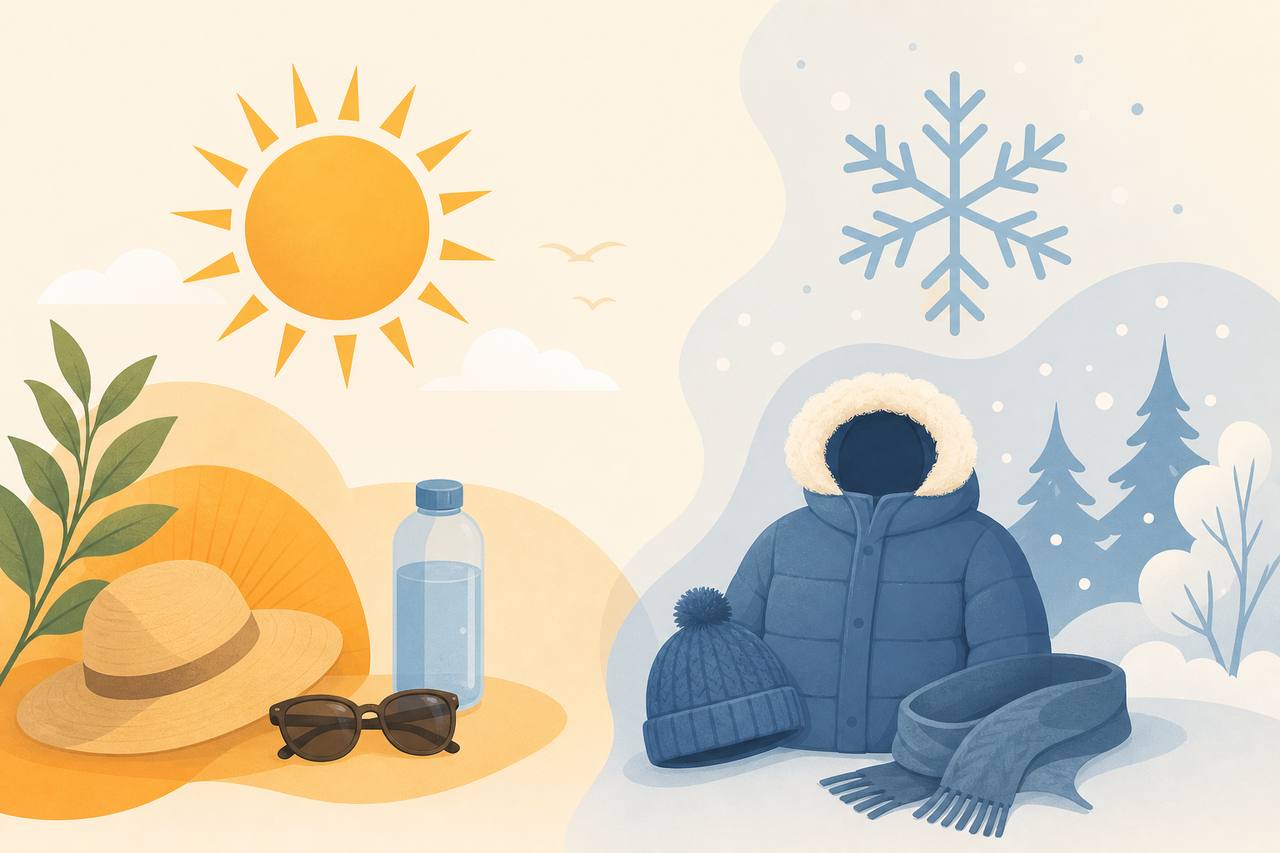
Extreme Weather
Coping with Heatwaves and Cold Waves
When a heatwave or cold wave warning is issued, the risks are higher than they seem. Thinking "I can just push through it" is exactly the mindset that gets people into trouble — it helps to know the warning signs in advance and have a plan ready for what to do outdoors and at home. If you suspect an emergency, don't hesitate to get help. Heatwaves and cold waves come around every year, but a moment of carelessness can have a serious impact on your health, so it pays to start preparing before the warning is even issued. This guide is not a medical emergency manual but a set of everyday precautions — if symptoms are severe or persist, be sure to see a doctor.
Updated: August 4, 2026
Reference data · WeatherAPI / editorial lifestyle guide
The first thing to do once a warning is issued
Once a heat or cold wave advisory or warning is announced, it's safer to scale back your usual routine rather than push through it. If you have outdoor work, exercise, or long-distance travel planned, consider shifting the time, postponing, or cancelling it. If you know someone living alone who is elderly, a young child, or managing a chronic illness, checking in on them more frequently is worthwhile. Warning levels can vary by region and time of day, so it's worth checking the alerts for both where you live and anywhere you're planning to travel to. If your workplace, school, or local community issues guidance limiting outdoor activity, it's safer to follow that rather than rely on your own judgment, and if the warning is expected to run for several days, stocking up on essentials and medication in advance lets you cut down on how often you need to go out.
- Turn on weather alerts and emergency text notifications and keep checking for updates
- Shift outdoor plans to early morning or after sunset if possible
- Prepare essentials ahead of time — water, electrolyte drinks, or cold-weather gear depending on the warning
- If you must be out alone for a long stretch, share your schedule and location with family or coworkers
- Check alerts separately for where you live and anywhere you're planning to travel
- If the warning is expected to last several days, stock up on essentials and medication in advance
During a heatwave
Body temperature can climb quickly and lead to heat exhaustion or heatstroke. The priority is cutting back activity during the hottest hours and resting fully in a cool place — don't try to tough out symptoms alone, ask for help quickly. On days with heavy sweating, water alone may not be enough, so pairing it with a light meal and some electrolytes is worthwhile. If you have to work outdoors, arranging rest breaks with a supervisor or coworker ahead of time and minimizing solo work is the safer approach. Pets are also vulnerable to extreme heat, so make sure they have plenty of shade and water, and move walks to the early morning or late evening when the ground has cooled.
- Avoid going outside and skip intense outdoor exercise during the hottest hours
- Rest somewhere cool and rehydrate with water or an electrolyte drink
- If you feel dizzy, nauseated, or get a headache, rest in the shade and ask for help
- Never leave children or pets alone in a parked car, even briefly
- Check the temperature indoors regularly too, and ventilate or cool the room even with windows shut
- Loose, light-colored clothing, a hat, and shade all help together
- If working outdoors, plan rest breaks with a coworker in advance rather than working alone
During a cold wave
Frostbite risk and strain on the cardiovascular system both increase. Keep outings short, stay warm, and avoid sudden bursts of exertion. If your hands turn pale or go numb, warm up slowly somewhere heated rather than rushing it. Going out after drinking alcohol is particularly risky, since it dulls your sense of how cold you actually are. If you often walk on snowy or icy roads in the early hours, slip-resistant footwear or ice cleats are worth using, and if you're running a heater or boiler for long stretches, don't forget to ventilate occasionally to avoid carbon monoxide buildup. If you have heart disease or high blood pressure, sudden cold exposure can spike your blood pressure quickly, so it's safer to warm up indoors before heading out.
- Layer thermal underwear with a windproof outer layer to retain heat
- Minimize exposed skin on your face, hands, and feet, and use cold-weather gear
- Skip strenuous early-morning workouts or going out after drinking
- If your hands turn pale and numb, warm them up slowly somewhere heated
- Check in more often on elderly family members or those managing chronic conditions
- Even with the heat on, ventilate briefly and regularly to keep indoor air quality in check
- Use slip-resistant footwear or ice cleats on snowy or icy roads
- Ventilate periodically when running a heater to avoid carbon monoxide buildup
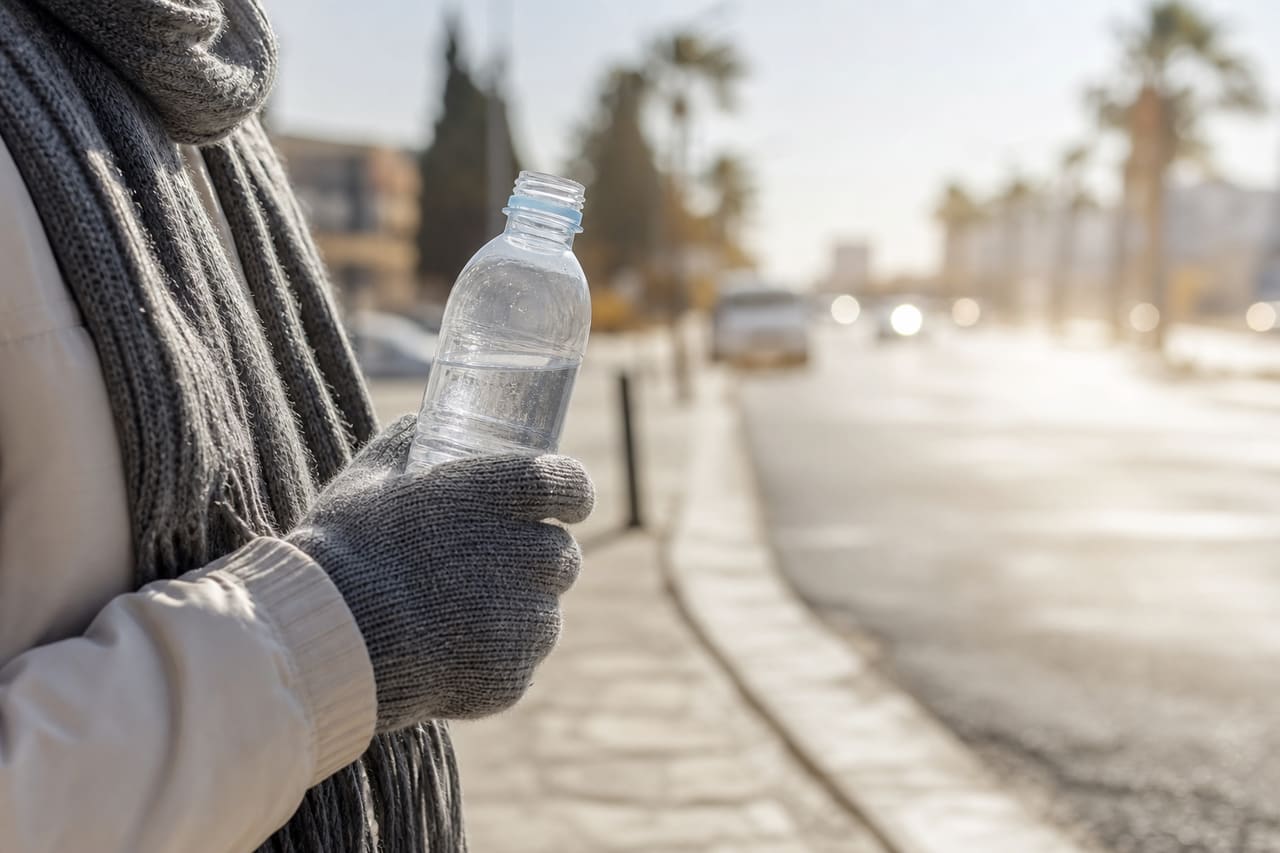
Warning signs that mean you should get help immediately
In a heatwave, warning signs include a high fever, confusion, slurred speech, or skin that's hot and dry because sweating has stopped. In a cold wave, watch for severe shivering, slowed speech and movement, or pale skin with reduced sensation. If you're not sure how serious it is, call emergency services, move the person somewhere safe, and focus on stabilizing their body temperature gradually. While waiting, keep monitoring the person's consciousness and breathing and follow the dispatcher's instructions, and avoid improvised treatments like forcing a fever reducer or using very hot water even if transport is delayed. If a family member has an existing condition, keeping a list of emergency contacts and current medications on hand ahead of time makes a real difference if something happens.
- Call emergency services immediately if someone is confused or about to collapse
- In a heatwave, move the person somewhere cool and loosen their clothing
- In a cold wave, remove wet clothing and wrap the person in blankets
- Don't force alcohol on them or rub their skin aggressively
- Keep monitoring consciousness and breathing until help arrives
- Avoid improvised treatments like fever-reducing medication or very hot water
Supplies for multi-day events
When a heatwave or cold wave stretches on for several days, it puts less strain on your body to prepare ahead of time rather than simply gritting your teeth through it. During a long heatwave, it's worth planning for the possibility of a power outage cutting off air conditioning, and during a long cold snap, frozen pipes and heating costs become real concerns too. Knowing the location of nearby cooling or warming centers ahead of time can help if you suddenly find yourself without heating or air conditioning. Since conditions can keep changing throughout an extended warning period, it's a good habit to check the latest updates from the news or emergency alerts once or twice a day.
- Look up the location of nearby cooling centers or warming shelters in advance
- Let a faucet drip slightly during a cold snap to help prevent pipes from freezing
- Keep a flashlight and portable battery pack ready in case of a power outage
General precautions
Older adults, people with chronic conditions, and outdoor workers all need to check in on their own condition more often than usual. Keep weather alerts and emergency texts turned on, and don't hesitate to ask for help in an emergency. Checking temperature, feels-like conditions, and any active warnings on a weather app can help you decide faster whether it's really a good idea to go out. If you have an elderly neighbor or family member living alone, a quick check-in call on the days a warning is in effect can make a real difference, and workplaces and schools that post outdoor activity guidance in advance help everyone respond more safely.
- Turn on weather alerts and emergency text notifications in advance
- In an emergency, call for help immediately or ask someone nearby
- If you must be outdoors alone for a long stretch, share your schedule and location
- If you're managing medication or a chronic condition, err on the side of caution
- Call an elderly neighbor or family member living alone on days a warning is in effect
- Have workplaces or schools post outdoor activity guidance in advance for everyone's safety
About this guide
This guide summarizes common weather and lifestyle practices for everyday reference. It does not replace official medical or emergency guidance — follow meteorological agencies and local authorities when a warning is in effect.